Decorative mirrors play a vital role in enhancing interior spaces. According to a recent report by Global Market Insights, the decorative mirror market is expected to witness a compound annual growth rate (CAGR) of 7.2% from 2023 to 2030. This growth indicates a surge in demand among global buyers, driven by the rising interest in home décor.
As industry expert John Preston notes, “Decorative mirrors are not just functional; they are reflections of style and personality.” His insights underline the importance of selecting the right decorative mirrors. Modern designs range from minimalist to ornate, catering to various homeowner preferences. It’s essential to consider materials, shapes, and themes while choosing these pieces.
Despite the variety available, challenges remain. Buyers often struggle to find mirrors that align perfectly with their design vision and space. The selection process can be overwhelming. Nonetheless, making informed choices can lead to stunning and functional home enhancements. Understanding trends and quality can help mitigate these issues, providing buyers with the right tools to invest thoughtfully in decorative mirrors.
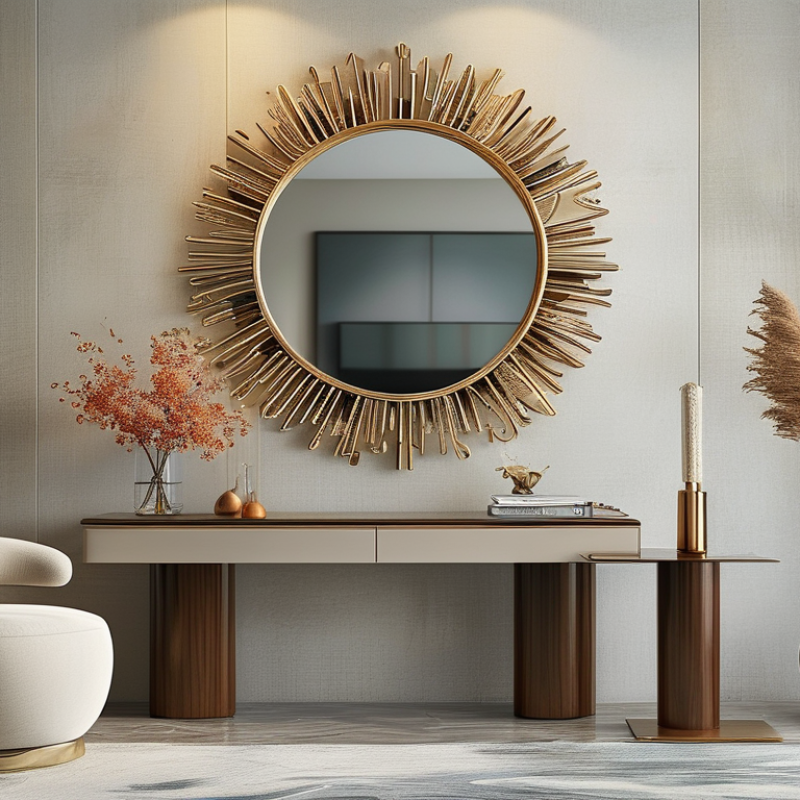
In recent years, decorative mirrors have gained significant popularity in China. Market research indicates that the decorative mirror segment is expected to grow by 8.3% annually through 2026. This surge is driven by increasing consumer interest in home decor and aesthetic improvements. Buyers are particularly drawn to unique designs that enhance interior spaces.
Contemporary styles are now dominating the landscape. Round mirrors, for instance, are favored for their ability to soften harsh lines. Geometric shapes add a modern touch, attracting younger demographics. Data shows that over 50% of consumers prefer designs with innovative frames. Metallic finishes are also trending, reflecting light and creating a sense of space. However, not all designs resonate universally. Some buyers seek classic styles that evoke nostalgia and warmth.
Sustainability is another rising concern. Reports suggest that nearly 40% of consumers prioritize eco-friendly materials. This shift challenges manufacturers to innovate while staying true to sustainable practices. Addressing these trends is crucial but also poses complexity. Striking a balance between trendy designs and sustainability remains a critical challenge for the industry. Understanding these dynamics is essential for global buyers navigating China's decorative mirror market.
: Increasing interest in home decor and unique designs is driving popularity. Consumers seek aesthetic improvements for their spaces.
Contemporary styles dominate, with round mirrors softening harsh lines. Geometric shapes attract younger buyers, reflecting modern tastes.
Popular frame materials include wood, metal, and acrylic. Each offers unique aesthetics and durability for different preferences.
Round mirrors create illusions of space, while rectangular mirrors suit narrow areas. Shape and size impact overall functionality.
High-quality mirrors provide clarity and minimize distortion. Cheaper options may disappoint with unclear reflections.
Protection during shipping is crucial. Proper packaging, like foam or bubble wrap, reduces breakage but could increase costs.
Compliance with customs rules is vital. Accurate documentation prevents delays, as many face shipping issues due to paperwork errors.
Each choice should reflect personal style and functional needs. Small imperfections can add character, enhancing overall appeal.
Nearly 40% of consumers prioritize eco-friendly materials. This shift challenges manufacturers to innovate while ensuring sustainability.
Overlooking packaging can lead to damages during transit. Engaging knowledgeable partners helps navigate shipping complexities.
This article explores the vibrant market of Decorative Mirrors in China, highlighting the latest trends that attract global buyers. Key features to consider when selecting these mirrors include craftsmanship, materials used, and innovative designs that cater to diverse aesthetic preferences. The article also sheds light on the popular styles currently dominating the Chinese market, which range from modern minimalist to traditional ornate designs.
Moreover, sourcing high-quality Decorative Mirrors from Chinese manufacturers involves understanding the quality standards and establishing reliable supplier relationships. Buyers should also be mindful of shipping and importing considerations, including costs, logistics, and customs regulations, to ensure a smooth procurement process. Overall, this comprehensive guide serves as a valuable resource for international buyers looking to enhance their offerings with beautiful and unique Decorative Mirrors from China.

 Jiayu
Jiayu