Smart Kids Room Storage Tips for Organized Play and Study?

Time:2026-04-30 Author:Madeline
0%

Creating a well-organized Kids Room Storage solution is essential for fostering a positive environment for both play and study. A clutter-free space promotes creativity and focus, which are vital for a child's development. By implementing effective storage strategies, parents can transform chaos into order, making it easier for kids to find their toys and study materials.

In today's fast-paced world, children often have varied interests. They accumulate toys, books, and school supplies quickly. Having designated storage can help manage these items. For example, using bins, shelves, and boxes makes organization easier. It also teaches kids responsibility for their belongings. However, not all storage solutions are perfect. Some may become cluttered or ineffective over time, which can lead to frustration.

It's not just about having storage; it’s about making it functional. Kids need to access their items easily, which means some arrangements may need adjustments. Taking the time to evaluate and refine storage options can make a significant difference. With thoughtful planning, parents can create an inviting and organized space that supports their child’s growth and creativity.
Smart Kids Room Storage Tips for Organized Play and Study?

Benefits of Organized Storage in Kids' Rooms

Organized storage in kids' rooms provides numerous benefits that extend beyond tidiness. Research shows that children perform better academically in organized spaces. A study by The National Association of Professional Organizers reveals that 60% of students reported improved focus in clutter-free environments. This improvement leads to a higher retention of information, influencing their study habits positively.

Moreover, organized storage fosters responsibility in children. When kids know where their items belong, they learn to respect their possessions. This process encourages them to participate in the upkeep of their space. Parents often notice a decline in the time spent on cleanup efforts. Interestingly, only about 41% of parents actively involve their kids in the organization of their rooms. This number suggests that many children miss out on essential skills associated with organization.

Creating a practical storage solution can significantly impact play and study dynamics. Visual aids, such as labeled bins or color-coded systems, can enhance children's ability to locate items quickly. Yet, it’s vital to regularly reassess these systems. Children grow and their needs change. What worked a year ago might not suit their current interests. A flexible approach to storage is essential for continuous improvement and adaptation.

Smart Kids Room Storage Tips for Organized Play and Study

This chart illustrates the benefits of organized storage in kids' rooms compared to cluttered storage. Organized storage shows a significantly higher number of benefits, leading to better play and study environments for children.

Types of Storage Solutions for Play and Study Areas

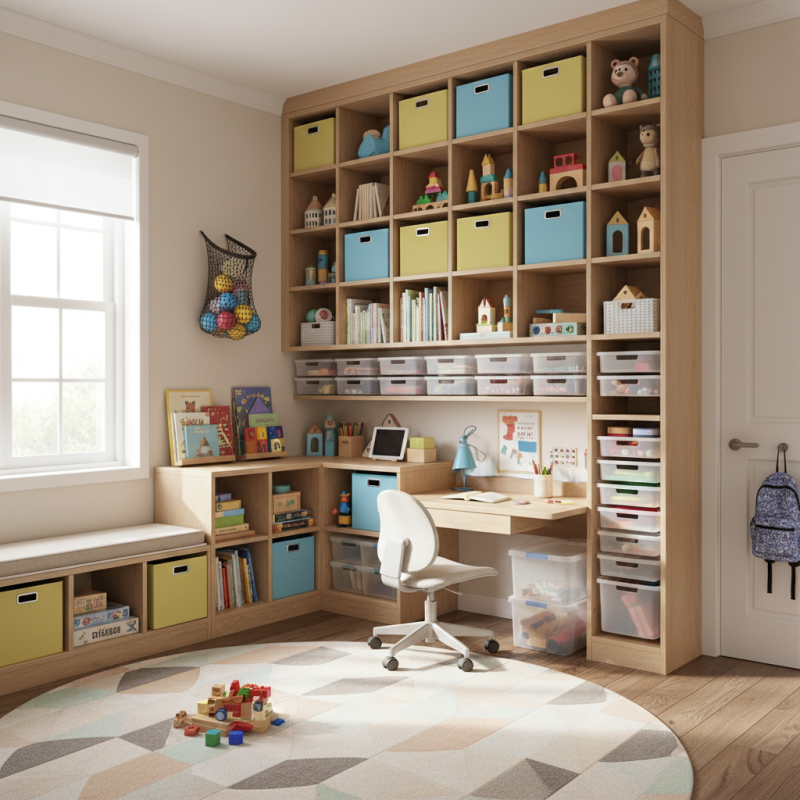
When creating a storage solution for kids' play and study areas, consider functional and flexible options. Start with open shelving. This allows kids to see their toys and books easily. Use colorful bins or baskets on the shelves for added organization. They can sort their items by type or color. This system encourages children to clean up. Yet, children may still struggle with maintaining order.

Another effective solution is multi-functional furniture. Choose benches or ottomans that double as storage. They can hold toys inside while providing seating. This design saves space and promotes creativity. However, ensure the mechanisms are simple enough for kids to use. Complexity can lead to frustration and clutter.

Wall-mounted storage is also valuable. Pegboards or hooks can display art supplies or sports gear. They keep items accessible while freeing up floor space. Be mindful of height placement, ensuring all items are within reach. While these systems help in organizing, it's crucial to revisit and adjust them regularly. Children grow, and their needs change. What works today might not suit them in a few months. Aim for a storage solution that evolves with your child.

Smart Kids Room Storage Tips for Organized Play and Study

Storage Solution Description Best For Tips
Bookshelves Open shelves for storing books and decorative items. Reading and display. Encourage kids to organize books by size or color.
Toy Bins Containers for storing toys and games. Play areas. Label bins for easy access and cleanup.
Desk Organizers Caddies and trays to hold stationery and supplies. Study areas. Use color-coded organizers for different subjects.
wicker baskets Natural material bins for a stylish look. Versatile storage. Choose various sizes for different items.
Wall Hooks Hooks for hanging bags and accessories. Maximizing vertical space. Install at kid-friendly heights.

Creative Organization Ideas for Toys and School Supplies

Creating an organized kids' room is essential for both play and study. A clutter-free space encourages creativity and focus. Start by designating specific areas for toys and school supplies. Use clear bins for easy access. Label each bin to teach kids responsibility and accountability.

Consider multifunctional furniture. A bench with storage can hold game controllers or books. It keeps the room tidy and saves space. Wall-mounted shelves offer creative storage for books and toys. They keep items off the floor and make cleaning easier. Rotation of toys can help minimize mess. Keep a selection of toys accessible and store the rest.

A calendar on the wall can help manage school deadlines and playdates. It teaches time management skills. Involve kids in the organization process. Their input builds ownership and motivation. However, perfection isn't necessary. Items will still get messy. Regular reviews of the organization system keep it functional. Finding balance is key to a well-organized room.

Tips for Involving Kids in Storage Solutions

Creating an organized kids' room can be a fun project, especially when kids are involved in the process. Start by encouraging them to sort their toys and supplies. This engagement helps them learn about organization. Letting children choose where things go can provide them ownership over their space.

When discussing storage solutions, consider these tips: Use clear bins for toys. Kids will enjoy seeing their items displayed. Label each bin with pictures or words. This can make it easier for younger children to identify where things belong. An open shelf can also work wonders. Kids can access their favorite items quickly and easily.

Involving children in the storage process can be challenging. They might resist changes at first. Instead of enforcing strict rules, offer gentle guidance. Ask them how they feel about different arrangements. Allowing them to share ideas can create a collaborative atmosphere. You may find some of their suggestions surprising and beneficial.

Maintaining an Organized Kids' Room Over Time

Maintaining an organized kids' room is essential for fostering a productive environment for play and study. Research shows that a clutter-free space can enhance focus and reduce stress. A study from the Personality and Social Psychology Review indicated that children in tidy environments tend to exhibit better concentration. However, achieving this ideal state requires consistent effort.

Creating designated storage spots for toys and books is crucial. Clear bins encourage children to manage their belongings. Offering a variety of sizes can help fit everything, from larger toys to smaller art supplies. Statistics show that parents who implement effective storage solutions report a 30% decrease in daily tidying time. It’s also beneficial to involve your child in organizing their space, teaching them responsibility. Yet, it’s worth noting that children may resist change. This can lead to unfinished organization projects, which might frustrate parents.

Regular decluttering sessions can be helpful. Experts recommend scheduling these monthly to assess which items are still loved and which can be let go. This routine not only keeps the room organized but also allows kids to engage with their belongings thoughtfully. It's normal for transitions to be bumpy. Some items may linger longer than needed, and that's okay. Monitoring this growth in organization creates a sense of responsibility, although moments of chaos will still arise. The goal is consistent progress, not perfection.

FAQS

: What are the benefits of organized storage in kids' rooms?

: Organized storage improves academic performance and enhances focus, leading to better study habits.

How does organization help kids develop responsibility?

Children learn to respect their belongings and participate in upkeep, reducing parent cleanup time.

What types of storage solutions work best?

Open shelving, colorful bins, and multi-functional furniture are effective options for kids' rooms.

Why is it important to reassess storage systems regularly?

Kids grow and their needs change, so past solutions may no longer be suitable.

How can parents involve their children in organizing?

By creating designated storage spots, parents can teach kids responsibility while encouraging participation.

What challenges might arise when organizing kids' rooms?

Children may resist changes, causing unfinished projects and potential frustration for parents.

How often should decluttering sessions be scheduled?

Experts suggest monthly sessions to reassess what items are needed and which can be let go.

What if some organizing projects feel incomplete?

It's normal for transitions to be bumpier, and not everything will be perfect initially.

How can visual aids support organization?

Labeled bins and color-coded systems help kids quickly locate their items and stay organized.

What should be the primary goal when organizing a child's room?

Aim for consistent progress in organization rather than striving for perfect tidiness.

Conclusion

Organizing a kids' room effectively is essential for fostering a conducive environment for both play and study. Benefits of organized storage in kids' rooms include improved focus, reduced stress, and easier access to toys and school supplies, which can promote independent play and learning. Various storage solutions, such as bins, shelves, and multi-functional furniture, cater to diverse needs and can enhance the room's functionality.

Creative organization ideas can help keep toys and school supplies in order, from labeling boxes to using colorful containers that appeal to children. Involving kids in the organization process not only teaches them responsibility but also empowers them to take ownership of their space. To maintain an organized kids room storage system over time, regular decluttering and reassessing storage needs are essential, ensuring the room evolves as the child grows.


Madeline

Madeline

Madeline is a dedicated marketing professional with a wealth of expertise in our company's core offerings. With a keen understanding of the industry, she brings a unique perspective to her role, consistently delivering high-quality content that highlights the superior aspects of our products. As......