Choosing the right throw pillow cover is essential for enhancing your home décor. According to the Home Textile Association, the throw pillow market is projected to reach $3 billion by 2026. This growth highlights the increasing importance of throw pillows in interior design.
Throw pillow covers not only add color and texture but also reflect personal style. They are easy to swap out, offering a quick refresh for any space. However, many overlook how fabric, pattern, and size play crucial roles in their selection. A poorly chosen cover can clash with your existing décor or feel uncomfortable.
Customer preferences show a rising trend towards sustainable materials for throw pillow covers. Reports indicate that 40% of consumers prioritize eco-friendly textiles in their decision-making process. When selecting, consider both aesthetics and practicality. Ensure that your choice aligns with both personal taste and environmental impact.
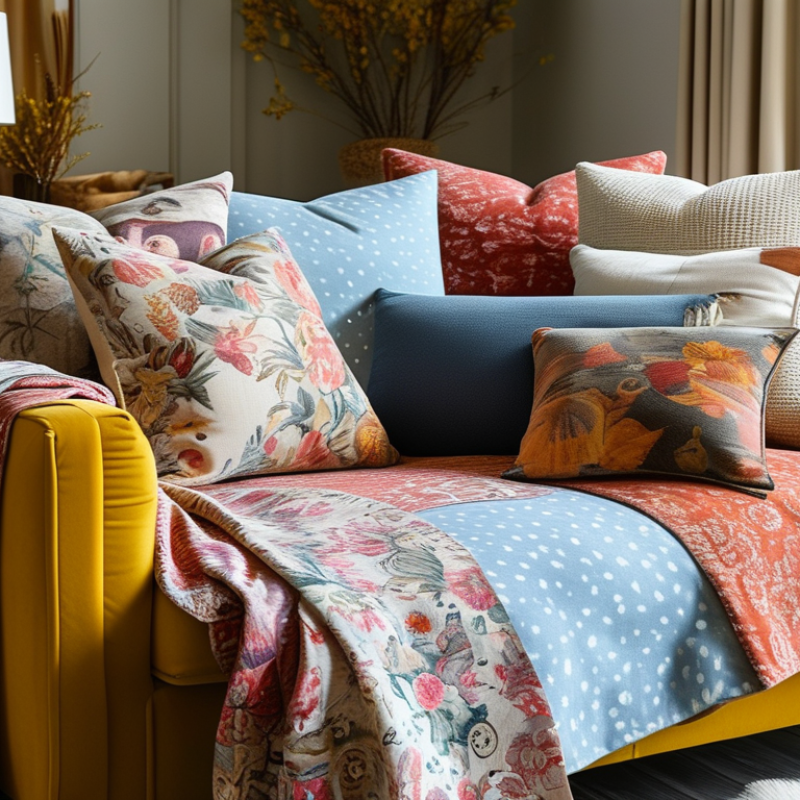
Understanding Throw Pillow Covers: Types and Materials Explained
When it comes to throw pillow covers, understanding the different types and materials is essential. The variety can feel overwhelming. Cotton, linen, and velvets are common materials, each offering unique textures and appearances. Cotton is breathable and easy to clean. Linen has a natural, rustic charm that enhances any decor. Velvet provides a luxurious feel but may need careful maintenance.
The choice of cover also depends on the purpose and space. For outdoor areas, water-resistant fabrics are ideal. Indoor settings can accommodate decorative options. Think about color schemes and patterns that reflect your personal style. Some colors may fade over time. Patterns can clash with furniture, becoming a design dilemma.
Don’t forget the size and fit of your covers. A loose cover can look sloppy, while a tight one may damage the pillow. Finding the right balance is crucial. You might purchase multiple covers for versatility. However, mixing and matching requires attention to detail. This is where experimentation and reflection come into play. Each choice is an opportunity to express creativity.
Popular Throw Pillow Cover Materials in 2023
Factors to Consider When Choosing the Right Size for Pillow Covers
Choosing the right size for your throw pillow covers is essential for achieving a harmonious look in your space. Start by measuring your pillows. A standard pillow is often 18 inches square. However, you'll find various sizes like 16 inches, 20 inches, or even larger. It might feel overwhelming to choose. Think about your furniture dimensions and the overall style you want to create.
Incorporating different sizes can add visual interest. A larger cover on a smaller pillow can create a layered effect. However, be cautious; too many sizes can lead to chaos. Balance is key. Also, consider pillow cover thickness. Thicker fabrics can give a plush appearance, while thin ones provide a casual vibe. This choice impacts comfort and aesthetic appeal.
Reflect on your unique space. Does your living room need a pop of color, or should it be more subdued? This decision will guide your size choices. Remember, choosing sizes isn't just practical; it’s an artistic expression. Insight can come from experimentation, so be open to trial and error in your selections.
2026 How to Choose the Perfect Throw Pillow Cover? - Factors to Consider When Choosing the Right Size for Pillow Covers
| Dimension |
Recommended Pillow Size |
Common Uses |
Fabric Types |
| 16" x 16" |
Square Pillow |
Accent chairs, sofas |
Cotton, Linen, Velvet |
| 18" x 18" |
Square Pillow |
Sectionals, beds |
Polyester, Faux fur |
| 20" x 20" |
Square Pillow |
Large sofas, beds |
Canvas, Microfiber |
| 12" x 24" |
Rectangular Pillow |
Long benches, beds |
Silk, Chenille |
| 14" x 14" |
Small Square Pillow |
Kids' rooms, accents |
Bamboo, Jute |
Key Color Theory Principles for Selecting Pillow Cover Colors
Choosing the right color for a throw pillow cover can transform a room. Understanding color theory is essential in this process. Colors evoke emotions and set the mood. For example, warm colors like red and orange create energy. They are great for social spaces. In contrast, cool colors like blue and green promote calmness and relaxation. Consider the atmosphere you want to create.
Think about color harmony. Complementary colors oppose each other on the color wheel. They create vibrant contrasts. Analogous colors, however, sit next to each other. They offer a serene and cohesive look. Mixing these principles can make your choices interesting yet balanced. Reflect on your existing decor; it can guide your decisions.
Sometimes, the perfect color may not align with your original vision. A bright yellow pillow could clash with muted tones. A dark navy might overshadow lighter furniture. It's important to experiment with different swatches. Live with your choices for a few days. Adjustments might reveal surprising insights about your space. Trust your instincts; they can lead you to an unexpected but beautiful outcome.
The Importance of Texture: How It Influences Your Home Aesthetic
Texture plays a vital role in your home aesthetic. It can
elevate your space or make it feel disjointed. According to the American Society of Interior Designers, texture accounts for
60% of a room's overall design impact. This means choosing the right throw pillow cover
is essential.
When selecting a throw pillow cover, consider fabric types. Soft cotton or
linen can bring warmth. Rough textures like burlap add rustic charm. Each material contributes uniquely to the overall vibe.
A mix of textures can create visual excitement, but too many can feel chaotic. Focus on balance to maintain harmony in your space.
Tips: Use a mix of smooth and textured fabrics. This combination creates depth. If you choose a bold pattern,
opt for solid colors in complementary textures. Don't shy away from experimentation. Sometimes, what seems mismatched can create
the most pleasing results. Remember, your choices must resonate with your personal style. Reliable sources, like the National
Association of Home Builders, indicate that homes showcasing intentional texture outperform similar homes in
aesthetic value.
Sustainability in Throw Pillow Covers: Eco-Friendly Material Options
When selecting throw pillow covers, sustainability plays a critical role.
The push for eco-friendly materials reflects a growing trend among consumers. According to recent industry reports,
over 70% of shoppers prioritize sustainable items. These materials not only minimize environmental impact but also enhance
the aesthetic appeal of your living space.
Popular eco-friendly options include organic cotton and linen.
These materials are grown without harmful pesticides. Organic cotton uses
91% less water than conventional cotton, making it a smart choice. Moreover, fabrics like
Tencel, derived from sustainably sourced wood pulp, offer a luxurious feel along with biodegradability. Reports indicate
that Tencel’s production process is 50% less impactful on the environment compared to traditional fibers.
Consumers often overlook the importance of certifications. Look for labels like GOTS and
OEKO-TEX. These assure that the products meet strict environmental and social standards.
However, be cautious. Not all certifications are created equal, and some may be misleading. Researching materials and their sourcing is crucial.
Choosing sustainable throw pillow covers not only beautifies your home but supports a healthier planet.
FAQS
: Start by measuring your pillows. Standard sizes include 16, 18, or 20 inches.
Yes, mixing sizes adds interest. However, balance is essential to avoid chaos.
Thicker fabrics create a plush look, while thinner ones feel more casual.
Texture accounts for a large part of design. It can enhance or disjoint a space.
Soft cotton or linen adds warmth. Rough textures like burlap introduce rustic charm.
Yes, sustainability is crucial. Many shoppers now prioritize eco-friendly options.
Look for GOTS and OEKO-TEX labels. They ensure strict environmental standards.
Definitely! Mixing textures can be exciting but requires careful consideration for balance.
Not all certifications are reliable. Research helps ensure you choose truly sustainable options.
Your choices should reflect your style. Don’t shy away from trying unexpected combinations.
Conclusion
When selecting the perfect throw pillow cover, it's essential to understand the variety of types and materials available. This knowledge allows homeowners to make informed choices that complement their decor. Factors such as size, color theory principles, and texture all play a crucial role in the overall aesthetic. For instance, the right size ensures a harmonious balance on furniture, while color selections can either create a vibrant focal point or a subtle backdrop. Additionally, texture adds depth and interest to the space.
In today's eco-conscious world, considering sustainability is increasingly important. Opting for eco-friendly materials in throw pillow covers not only enhances the home aesthetic but also supports environmental well-being. By focusing on these key aspects — types and materials, sizing, color theory, texture, and sustainability — individuals can choose throw pillow covers that truly reflect their style and values.

 Jiayu
Jiayu