A Walnut Side Table can anchor a room without taking up much space. Picture a warm-toned tabletop beside a sofa, holding a reading lamp, a cup, and little else. The right choice depends on more than color. Check the table’s height against your seat, measure the space around it, and consider whether its legs leave enough room for feet and cleaning. A few centimeters can change how comfortable it feels.
Start with the walnut itself. Solid walnut, walnut veneer, and walnut-stained alternatives differ in cost, construction, and how their surfaces may age. Ask the seller what the table is made of, how it is finished, and how to care for it. Inspect the grain in natural light; look for stable joints, a level top, and edges that feel smooth to the touch. Small details matter. Not just looks.
Grand View Research estimated the global furniture market at USD 677.09 billion in 2023 and projected a 5.0% compound annual growth rate from 2024 to 2030. That broad market figure is not a walnut side table sales statistic, but it shows the scale of furniture buying. Use it as context, not proof of quality. Woodworker George Nakashima wrote in The Soul of a Tree, “A tree is our most intimate contact with nature.” His words invite a useful question: does this piece let the wood’s character show, or does its finish hide it? There is no perfect specimen. Compare dimensions, materials, and care needs before choosing a table that suits your room and daily habits.
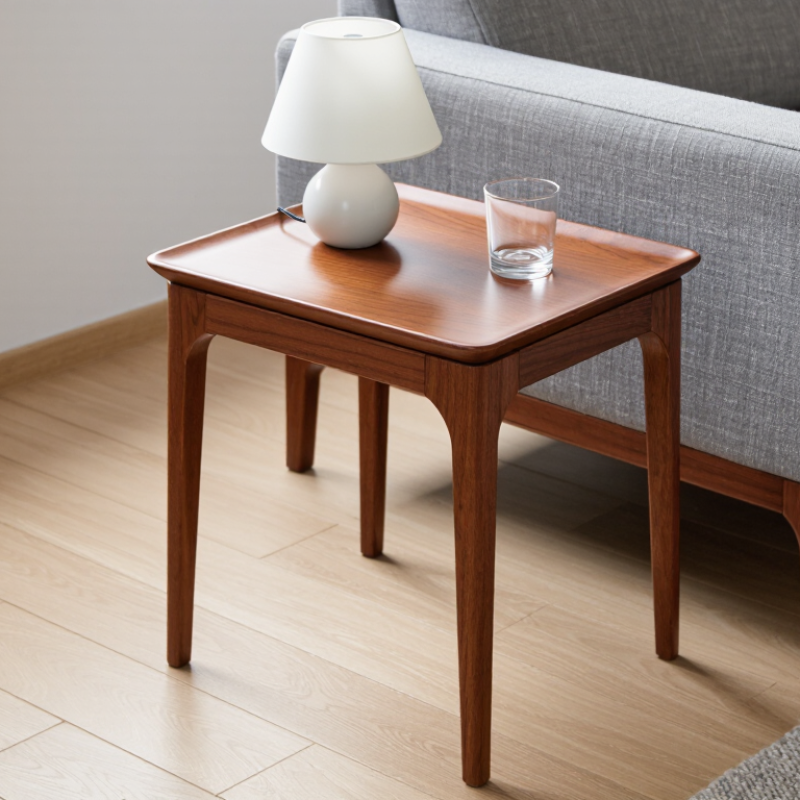
Walnut wood gives a room visual warmth without looking heavy. The USDA Forest Service Wood Handbook lists black walnut at about 1,010 lbf on the Janka hardness scale. Its oven-dry density is approximately 0.51 g/cm³. That balance supports daily use while keeping the table reasonably movable. Look closely at the grain before buying. Straight grain feels calm, while swirling grain creates stronger visual movement. A clear finish usually preserves walnut’s brown color and natural depth.
Side table style should follow the room’s movement. A pedestal table suits reading chairs and leaves more legroom. A C-shaped table can slide beneath a sofa, holding a cup near your hand. Nesting tables work well in compact rooms, especially when guests arrive. Drawers add useful storage, but they also increase weight and visual bulk. Measure the sofa arm first. A tabletop that sits slightly below the arm often feels more comfortable.
Responsible sourcing deserves attention. The FAO’s Global Forest Resources Assessment 2020 reports that 420 million hectares of forest disappeared between 1990 and 2020. Choose documented wood origins and durable construction. Check tight joints, stable legs, and a smooth underside. I once preferred dramatic walnut grain over better joinery, and that was a poor decision. Small dents may become part of the table’s character. Still, uneven wobbling is not character.
How to Choose a Walnut Side Table?
Measuring your space is the practical starting point. Use a tape measure to record the sofa’s arm height, available width, and walking clearance. A side table usually feels balanced when its surface sits within two inches of the seat arm. Leave about 24 to 30 inches for a comfortable walkway. This prevents the table from becoming an obstacle near chairs or doorways. Mark the proposed dimensions with painter’s tape or a cardboard box. Live with the outline for a day. It may look smaller than expected.
Purpose matters just as much as size. A table holding a reading lamp needs enough depth for the lamp base and its cord. For drinks, books, or a phone, a compact surface may be sufficient. Storage changes the decision. A drawer can hide remote controls, while an open shelf keeps books within reach. Consider the table’s daily role, not only its appearance.
Think about real habits.
I once chose a narrow table that looked elegant beside a chair. It could not hold a lamp and a mug together. That mistake taught me to measure the objects placed on the surface, not just the furniture around it. Walnut adds warmth and visual weight, so check how its darker tone works with your floor and upholstery. Natural wood can vary in grain and color. That variation is attractive, but the sample may not perfectly match the finished piece.
| Planning Dimension | Recommended Measurement or Range | Why It Matters | Suitable Table Purpose |
|---|---|---|---|
| Available floor width | Measure the open width in inches or centimeters. Reserve at least 2–4 in (5–10 cm) around the intended table footprint. | The extra space helps prevent the table from making a walkway or seating area feel crowded. | Compact display table or occasional accent table |
| Walking clearance | Allow approximately 30–36 in (76–91 cm) for a comfortable main passage; 24 in (61 cm) is a practical minimum for a less-used route. | Adequate clearance supports safe movement and reduces the chance of bumping into the table. | Living-room side table near a sofa or armchair |
| Height relative to seating | For convenient use, choose a tabletop level with the seat cushion or up to 2 in (5 cm) lower. Common side-table heights are 20–26 in (51–66 cm). | A compatible height makes drinks, books, and lamps easier to reach without leaning. | Reading, drinking, or placing a table lamp |
| Tabletop size | A 16–24 in (41–61 cm) diameter or width generally suits a side table. Choose at least 18 in (46 cm) wide when holding several everyday items. | The surface should hold essential items while leaving enough room for comfortable use. | Lamp, book, beverage, or decorative object |
| Storage requirement | Select an open shelf for quick access, one drawer for small items, or a cabinet-style compartment for concealed storage. | Storage type should match whether the table is meant to display items or reduce visible clutter. | Remote controls, books, chargers, or personal accessories |
| Lighting function | For a table lamp, allow a stable surface of at least 16 in (41 cm) wide and check that the lamp does not obstruct seating or the walkway. | A suitable footprint improves stability and keeps the light positioned where it is useful. | Reading light or ambient lighting beside seating |
| Room scale and visual weight | Use a slimmer profile in small rooms and a wider or more substantial base in large rooms with deep furniture. | Walnut has a naturally rich, dark tone, so the table’s proportions can affect the room’s visual balance. | Decorative accent or coordinated furniture piece |
| Surface protection needs | For frequent beverage use, look for a sealed finish and use coasters; wipe spills promptly and avoid prolonged exposure to moisture or heat. | Walnut is durable, but standing liquid, hot objects, and direct sunlight can affect the finish over time. | Daily-use table for drinks, snacks, or household items |
| Stability and base design | Choose a broad, level base for high-traffic areas. Check that the table does not rock and that its legs do not interfere with nearby seating. | A stable structure is safer and more practical for everyday use, especially around children or pets. | Family-room use or frequently accessed seating area |
Quick selection rule: Measure the available area first, identify the items the table must support, then compare the tabletop height, size, storage, clearance, and finish with your daily routine.
How to Choose a Walnut Side Table?
Construction determines whether a walnut side table feels dependable or merely attractive. Look for solid walnut in load-bearing areas, especially the legs, rails, and top frame. Walnut veneer can still be excellent when it covers a stable plywood core. Check the joints closely. Tight mortise-and-tenon or carefully fitted dowel joints usually resist wobbling better than visible staples. Gently press the corners. A quality table should not flex or creak. I once chose a beautiful table with weak leg joints, and the problem appeared within months.
Finish changes both appearance and daily care. Oil finishes highlight walnut’s warm grain and feel natural under the hand. They may need occasional renewal. A lacquer or polyurethane coating offers stronger resistance to coffee rings, moisture, and scratches. Matte finishes look understated, while satin finishes reveal more depth. Inspect the surface under side lighting. Uneven sheen can indicate rushed application. Color can also change with sunlight, so a sample viewed indoors may mislead you.
Tips: Measure the space before shopping. Leave enough room to walk comfortably. Check the tabletop height beside your sofa or bed. Consider a lower shelf for books, but avoid clutter. Rounded corners help in narrow rooms. Small felt pads protect floors and reduce movement. Confirm the table’s weight if you move furniture often. A drawer sounds useful, yet poor runners can become annoying. Sometimes the simpler design works better.
A walnut side table should echo your room’s geometry, not merely fill an empty corner. In a narrow living room, choose a slim rectangular top with straight legs. It will align with a sofa and preserve walking space. A round table works better beside a deep lounge chair. Its softer outline reduces visual friction around sharp furniture. Measure the clearance carefully. Around 45–60 centimetres beside a seat usually feels practical, though door swings may require more.
Colour matters as much as shape. Walnut has warm brown variation, so match its undertone rather than chasing an identical finish. Pair a dark walnut table with cream upholstery, muted green walls, or brushed metal lighting. In a room with heavy wood flooring, a lighter top or open base can prevent a crowded appearance. The U.S. Environmental Protection Agency reports that indoor pollutant levels can be two to five times higher than outdoor levels. A table with a smooth, repairable finish is therefore preferable to fragile, difficult-to-clean detailing. It supports everyday maintenance, not just showroom appeal.
Recent interior design surveys also show stronger interest in comfort and natural materials, but trends can mislead. I once chose a sculptural pedestal table for a compact room; it looked elegant and blocked the circulation path. That mistake still matters. Check the table from standing height, sitting height, and the doorway. Consider rounded edges if children move through the space. Leave enough surface for a lamp, book, and drink without turning the walnut piece into visual clutter. Personally, I would accept a small finish variation. Perfect matching can make a room feel strangely manufactured.
Match the table’s shape and design to the room’s layout. The chart shows typical residential footprint widths used for planning different side-table styles.
When I inspect a walnut side table, I begin with its structure, not its color. Press each corner gently and watch for rocking or movement. A well-made table should feel stable, balanced, and quiet. Examine the joints beneath the top, especially around the legs. Tight mortise-and-tenon or carefully fitted dowel joints usually indicate better craftsmanship. Solid walnut shows natural variation, while veneer should have clean edges and no lifting. Small flaws can matter.
Walnut darkens gradually with light exposure. Keep the table away from strong sunlight, radiators, and damp walls. Use a soft, dry cloth for routine cleaning. Wipe spills quickly, particularly coffee, oil, or alcohol. A coaster protects the finish from pale rings and heat marks. Maintain steady indoor humidity when possible. I once ignored this advice with a walnut cabinet, and a narrow split appeared during a dry winter.
Long-term value depends on repairability as much as appearance. Check whether the finish can be renewed without replacing the entire surface. Solid wood often allows sanding and refinishing, but excessive sanding may erase useful material. Ask about the finish, wood origin, and care instructions before buying. Clear answers suggest responsible workmanship. A low price may hide weak hardware or unstable wood. Conversely, a modest scratch on a sturdy table may be easier to live with and repair.
Walnut offers warm brown color and useful strength. Black walnut measures about 1,010 lbf on the Janka scale. It remains reasonably movable.
Match the shape to the room. A pedestal leaves more legroom beside a reading chair. A C-shaped table can slide under a sofa. Nesting tables save space when guests arrive.
Measure the sofa arm before choosing. A tabletop slightly below the arm often feels comfortable. Check the clearance, too.
Press each corner gently and watch for rocking. Check the leg joints and underside for loose or rough areas. Stable tables feel quiet. Wobbling is not character.
Solid walnut shows natural grain variation and can often be refinished. Veneer can also look good, but its edges should be clean and firmly attached. Ask how thick the surface is.
Dust it with a soft, dry cloth. Wipe coffee or oil spills quickly, and use a coaster for heat protection. Keep it away from strong sunlight and radiators.
Yes. Light exposure gradually darkens walnut. A sunny window may create uneven color, so placement matters. I once ignored this with a cabinet. A narrow split appeared during a dry winter.
Ask about the wood’s origin, finish, and care instructions. Look for documented sourcing and durable joints. A low price can hide weak hardware. Small flaws matter. I once chose dramatic grain over better joinery, and regretted it.
Choosing a Walnut Side Table begins with understanding the wood’s natural character and the range of styles available. Consider the table’s intended role, whether it will hold a lamp, keep everyday items within reach, or provide a decorative accent. Measure the space carefully, including room for movement, and compare the table’s height and surface area with nearby furniture.
Look closely at construction, finish, and practical details such as storage, stability, and ease of cleaning. Choose a shape and design that complement your interior without crowding the room. Finally, assess the materials and workmanship, and consider how the table will age with regular care. A well-chosen piece can balance function, appearance, and long-term value while bringing the warmth of walnut into your home.