2026 How to Choose the Best Reversible Blanket for Your Needs?

Time:2026-06-04 Author:Ethan
0%

When seeking a cozy and stylish addition to your home, choosing the right reversible blanket can be a rewarding yet challenging task. The global market for blankets is projected to grow significantly, reaching over $10 billion by 2026, according to market research reports. This growth highlights the growing importance of comfort and aesthetic appeal for consumers. A reversible blanket not only offers versatility but also enhances the visual appeal of your living space.

Key considerations include material, size, and usability. For instance, fleece and cotton options are popular for their softness and warmth. The right blanket can improve sleep quality, as warmth is linked to better rest. While many consumers gravitate toward trendy designs, it's essential to balance style with practicality. Reviews indicate that durability is often underestimated. Choosing a reversible blanket that withstands frequent use and washing is crucial.

Despite the advantages, potential pitfalls exist. Consumers may overlook the importance of color coordination with existing decor. Understanding your actual needs can lead to a more satisfying purchase. An informed decision ensures that your reversible blanket not only looks good but also meets your functional requirements.
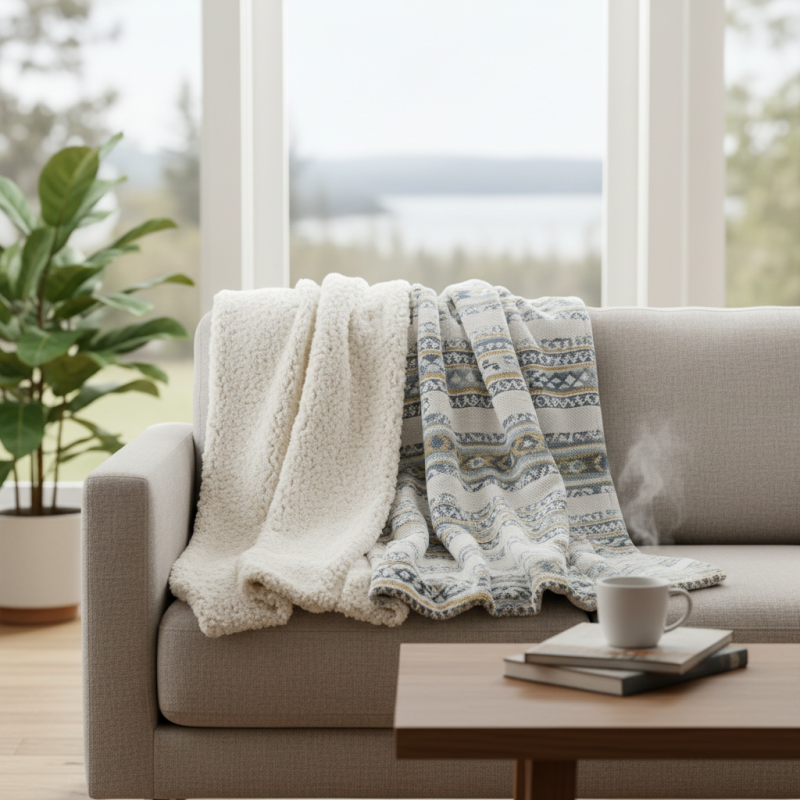
2026 How to Choose the Best Reversible Blanket for Your Needs?

Understanding the Different Types of Reversible Blankets Available Today

When choosing a reversible blanket, it's essential to understand the various types available today. There are fleece, cotton, and plush options, each offering unique benefits. Fleece blankets are soft and lightweight, perfect for colder months. Cotton blankets provide breathability, ideal for year-round use. Plush options add a layer of luxury and can elevate any living space.

Different weaving techniques also affect the feel and warmth of a blanket. Some feature a quilted design, enhancing comfort and style. Others may come with patterns or textures, giving you options to match your decor. It's easy to get overwhelmed by choices. Think about your specific needs, such as insulation and aesthetic appeal.

Consider the size and weight of the blanket. A heavier version may offer more warmth, but it can be cumbersome. A lighter blanket is easy to handle but may not provide enough warmth in winter. Reflect on how you will be using the blanket daily. Prioritize comfort and function to make a satisfactory choice.

Key Materials Used in Reversible Blankets: Pros and Cons Explained

When selecting a reversible blanket, understanding the materials is crucial. Common fabrics include fleece, cotton, and microfiber. Each material offers unique benefits and drawbacks.

Fleece is warm and offers excellent insulation. It dries quickly and is lightweight. However, fleece can pill over time, which may affect durability. Cotton, on the other hand, is breathable and hypoallergenic. It keeps you cool in summer while providing warmth in winter. But cotton blankets can shrink when washed improperly. Microfiber blankets are soft and resistant to stains, making them easy to care for. Their downside is that they may not be as breathable as natural fibers.

**Tips**: Always check the care instructions on labels to avoid shrinking. Consider testing a small area for pilling or discomfort. Investing in a quality fabric may yield better longevity. With the right choice, the perfect reversible blanket can greatly enhance your comfort.

Understanding these materials helps in making an informed decision. The American Home Furnishings Alliance notes that quality materials can significantly enhance sleep quality and overall comfort. Yet, many overlook this aspect. Reflecting on fabric choices ensures a balance between style and functionality.

Comparison of Key Materials Used in Reversible Blankets

This chart compares the pros and cons of popular materials used in reversible blankets. Each material is rated on a scale of 1 to 10 based on factors such as comfort, durability, and ease of care.

Selecting the Right Size: How Dimensions Impact Comfort and Use

When selecting a reversible blanket, size is key. A blanket that’s too small may leave you feeling cold at the edges. A blanket that’s too large can feel cumbersome. Measure your bed and your typical use cases. If you’re using it for travel or on the couch, a smaller size may suffice.

Consider your comfort needs. If you enjoy wrapping yourself snugly, a slightly larger blanket might be ideal. The material also plays a role in how much space you need. Lightweight blankets can feel airy yet warm, while heavier ones may feel more secure. The contrast in dimensions can change your overall experience.

Be mindful of the aesthetic. A reversible blanket often comes in different colors or patterns on each side. This allows you to change your decor easily. Sometimes, a pattern that seems appealing can clash with your surrounding colors. Don't rush the decision. Take your time to visualize how different sizes will fit into your home.

Evaluating Insulation Properties: Warmth Ratings and Breathability Factors

When choosing a reversible blanket, understanding insulation properties is crucial. Warmth ratings indicate how well a blanket retains heat. A higher rating suggests better warmth, making it suitable for colder climates. However, highly rated blankets can often feel stifling if they lack breathability. It’s essential to strike a balance between warmth and air circulation.

Breathability factors play an important role in comfort. Fabrics that allow airflow help regulate body temperature. Natural fibers such as cotton and wool are typically more breathable. However, synthetic materials can offer innovative designs that enhance breathability too. When evaluating these factors, consider your personal preferences and sleeping habits.

It's worth noting that not every blanket meets everyone's needs. What feels warm for one person might be too hot for another. Therefore, testing different blankets can lead to better insights. Think about layers too; sometimes a lighter blanket may work better in combination with another. This approach can lead to a more personalized experience.

2026 How to Choose the Best Reversible Blanket for Your Needs?

Blanket Type Warmth Rating (°F) Material Breathability Factor Care Instructions
Fleece Blanket 30°F Polyester Moderate Machine wash cold
Wool Blanket 25°F Wool High Dry clean only
Cotton Blanket 50°F Cotton Very High Machine wash warm
Microfiber Blanket 40°F Microfiber Moderate Machine wash cold
Down Blanket 20°F Duck/Goose Down Low Dry clean recommended

Budget Considerations: Finding Quality Reversible Blankets Without Overspending

When searching for a reversible blanket, budget considerations play a significant role. It's easy to be drawn to high-end brands promising luxury. However, quality options exist at various price points. Look for materials that offer comfort without breaking the bank. Soft fleece or cotton blends can provide warmth and durability.

Checking reviews helps gauge quality and value. Many affordable blankets receive high praise for their comfort and versatility. Keep an eye out for sales or discounts, which can make an expensive item more accessible.

Think about the blanket's purpose. A thin blanket may be suitable for layering during warmer months. In contrast, thicker options provide extra warmth in winter. Understanding your needs allows you to balance quality and cost effectively. It's okay to prioritize budget but remember, sometimes spending a bit more means lasting comfort.

FAQS

: What types of reversible blankets are available?

: There are fleece, cotton, and plush options, each with unique benefits.

How do fleece blankets perform in colder months?

Fleece blankets are soft and lightweight, making them ideal for cold weather.

What is a key benefit of cotton blankets?

Cotton blankets provide breathability, making them suitable for year-round use.

How does the weaving technique affect a blanket?

Different weaving techniques can enhance feel and warmth with designs and textures.

What should I consider in terms of blanket size and weight?

Heavier blankets offer more warmth but can be hard to handle. Lighter blankets are easier but may not be warm enough.

Why is understanding warmth ratings important?

Warmth ratings indicate how well a blanket retains heat, helping to choose for different climates.

How does breathability impact comfort in blankets?

Breathable fabrics regulate body temperature, making them more comfortable during use.

Can personal preferences affect blanket choice?

Yes, what feels warm to one person may be too hot for someone else.

Is it helpful to layer blankets?

Yes, layering a lighter blanket with another can provide a personalized experience.

Should I test blankets before purchasing?

Testing different blankets can provide better insights into what suits your needs.

Conclusion

When choosing the best reversible blanket for your needs, it's important to understand the various types currently available. Each type offers unique features that cater to different preferences and usage scenarios. Additionally, the materials used in reversible blankets play a crucial role; evaluating their pros and cons can help you make an informed decision regarding comfort and durability.

Size is another vital factor to consider, as the dimensions of a reversible blanket can significantly影响 comfort and practicality. Furthermore, understanding the insulation properties, including warmth ratings and breathability, will guide you in selecting a blanket suitable for your climate. Lastly, budget considerations ensure that you can find quality reversible blankets without overspending, allowing you to enjoy both functionality and style.


Ethan

Ethan

Ethan is a seasoned marketing professional with a deep expertise in our company's innovative product line. With a passion for sharing knowledge and insights, he takes the lead in regularly updating our corporate blog, where he explores industry trends, product features, and effective marketing......