How to Choose the Best Entertainment Unit for Your Home?

Time:2026-08-11 Author:Charlotte
0%

An Entertainment Unit is a pivotal piece of furniture in any modern home. It serves both aesthetic and functional purposes, acting as a central hub for technology and décor. According to a recent survey by the National Furniture Association, 75% of homeowners prioritize multi-functionality in their living spaces. This makes the choice of the right Entertainment Unit increasingly crucial.

Home entertainment systems have evolved, integrating devices beyond traditional TVs. As noted in the Home Electronics Research report, 67% of consumers look for units that accommodate gaming consoles, sound systems, and streaming devices. Therefore, selecting an ideal Entertainment Unit requires careful thought about space, style, and usage.

However, many consumers experience confusion with the myriad of options available. Will the chosen unit complement your interior design? Can it hold the weight of your equipment? These essential questions should drive your decision-making process. Prioritizing well-established brands can often lead to a more satisfying purchase, yet some overlook personal style for brand reputation. Ultimately, the right Entertainment Unit balances functionality and aesthetics, reflecting both your needs and lifestyle.
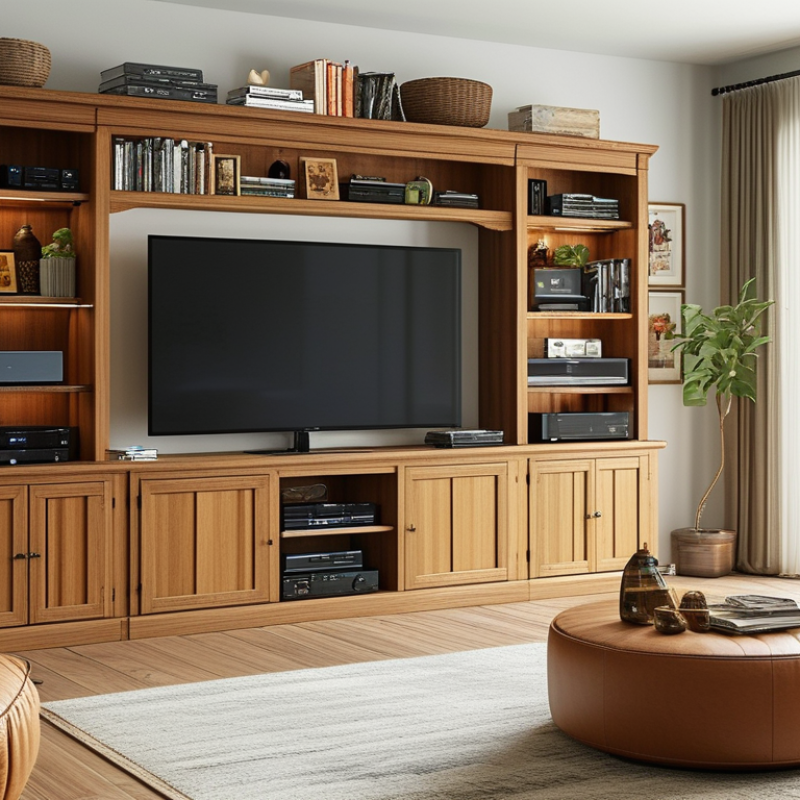
How to Choose the Best Entertainment Unit for Your Home?

Understanding Your Space: Measuring and Assessing Room Dimensions

When choosing an entertainment unit, understanding your space is crucial. Start by measuring your room dimensions carefully. According to a recent survey by the National Association of Home Builders, 70% of homeowners regret not planning their furniture layout first. This emphasizes how essential it is to get your measurements right.

Once you have your measurements, determine the best location for the unit. Account for other furniture and walking paths. A common mistake is to place a large unit in a cramped space, making the room feel even smaller. The American Institute of Architects states that well-planned spaces can increase perceived value by 15%.

Consider the height of your unit as well. The average viewing height for TVs is around 42 inches from the floor to the center of the screen. If your unit is too tall or too short, viewing comfort diminishes. There's a balance between aesthetics and functionality that often gets overlooked. A well-suited entertainment unit can enhance not only your enjoyment but also the overall harmony of your living space.

When choosing an entertainment unit, understanding your space is crucial. Start by measuring your room dimensions carefully. According to a recent survey by the National Association of Home Builders, 70% of homeowners regret not planning their furniture layout first. This emphasizes how essential it is to get your measurements right.

Once you have your measurements, determine the best location for the unit. Account for other furniture and walking paths. A common mistake is to place a large unit in a cramped space, making the room feel even smaller. The American Institute of Architects states that well-planned spaces can increase perceived value by 15%.

Consider the height of your unit as well. The average viewing height for TVs is around 42 inches from the floor to the center of the screen. If your unit is too tall or too short, viewing comfort diminishes. There's a balance between aesthetics and functionality that often gets overlooked. A well-suited entertainment unit can enhance not only your enjoyment but also the overall harmony of your living space.

Identifying Your Needs: Functionality and Storage Requirements

When choosing the best entertainment unit, identifying your needs is critical. Consider the functionality and storage requirements of your space. Ask yourself: What electronics do you own? How much storage do you need for books, gaming consoles, or media? This assessment will help narrow down your options.

Measure your space carefully. A unit that fits well enhances the room. An overly large unit can overwhelm the area, while one that’s too small may leave your space feeling empty. Look for features like adjustable shelves. They can adapt to your changing needs.

Do you prefer an open design or closed cabinets? Open designs allow easy access but can create a messy look. Closed cabinets keep things tidy but may require you to dig for items. Reflect on your style and how you use your space. Finding a balance between aesthetics and functionality is important. You may make mistakes in your choices; that’s part of the process.

How to Choose the Best Entertainment Unit for Your Home? - Identifying Your Needs: Functionality and Storage Requirements

Feature Requirement Example Ideal Size
TV Size Compatibility Support for large screen sizes 60-75 inches TV 60-70 inches wide
Storage Space Required for media devices and accessories Game consoles, DVDs At least 4-6 shelves
Cable Management Organization of wires and cables Cable concealment system Built-in cable routing options
Design Style Fit with home decor Rustic, modern Available in various finishes
Durability Long-lasting material Solid wood, metal frame High-quality craftsmanship

Choosing the Right Style: Matching with Home Decor and Personal Taste

When considering an entertainment unit, style plays a crucial role. Your choice should reflect your home decor and personal taste. A recent survey by the American Home Furnishings Alliance shows that 72% of homeowners prioritize aesthetics when choosing furniture. This statistic highlights the importance of a cohesive design throughout your space.

Think about the color palette and materials in your home. If you have a modern style, opt for sleek, minimalist designs. For a more rustic feel, consider wood finishes with natural textures. Too often, people choose units that clash with the rest of their decor. This can lead to a disjointed look, which is less than ideal.

**Tips:** Look for versatile pieces. They should blend well with various themes. Don't overlook function alongside style. Ensure there is enough storage for your media and accessories, too.

Selecting an entertainment unit isn't just about looks. It's about creating a comfortable and inviting space for family and friends. Combining style with functionality can sometimes feel challenging. Remember, it's okay to reassess choices as your tastes evolve. Aim for a unit that will grow with your needs.

How to Choose the Best Entertainment Unit for Your Home?

This chart displays preferences for different styles of entertainment units based on home decor and personal taste. The data represents a survey where individuals chose their preferred style:

Material and Build Quality: Factors to Consider for Durability

When selecting an entertainment unit, material and build quality are crucial for ensuring durability. According to a report from the Home Furnishings Association, over 50% of consumers prioritize long-lasting furniture. Materials like solid wood and high-grade engineered wood generally outperform cheaper alternatives in terms of longevity. Solid wood, for instance, can last decades with proper care, while particleboard may degrade within a few years, especially in humid environments.

Build quality also plays a significant role. Well-constructed units with secure joints, whether through dovetailing or mortise-and-tenon techniques, enhance overall strength. A study from the International Furniture and Design Association highlighted that units with reinforced shelves can support up to 40% more weight. However, not every company provides transparency regarding construction methods. Consumers must be vigilant and ask questions about how the piece was made.

Attention to detail matters. Look for furniture with finished edges to prevent splintering and warping. Despite apparent craftsmanship, some products may still show signs of wear after only a short while. Not all finishes are equal, and cheaper laminates can peel or scratch easily. A discerning buyer should inspect multiple options before making a final choice.

Budgeting Wisely: Exploring Costs and Value for Your Entertainment Unit

When budgeting for an entertainment unit, considering both costs and value is crucial. A recent industry report shows that the average cost of an entertainment center ranges from $150 to over $2,500. This wide spectrum boils down to materials, size, and design. While some might prioritize aesthetics, others may undervalue practical features, like storage space and cable management.

It’s important to evaluate how each piece meets your lifestyle needs. For example, a unit with ample storage can reduce clutter. The same report highlights that 70% of users reported enhanced satisfaction when their space is organized. However, many buyers overlook this benefit, opting for purely decorative choices instead.

The importance of value isn’t merely about upfront costs. Investing in durable materials can save money in the long run. Some cheaper options may require early replacement, leading to higher lifetime costs. Reflecting on these considerations is key. It’s essential to balance budget constraints with personal requirements, ensuring that you make a choice that will serve you well into the future.

FAQS

: How should I identify my needs for an entertainment unit?

: Assess your electronic devices and storage requirements. Consider books, gaming consoles, and media.

What should I do before purchasing an entertainment unit?

Measure your space carefully. A well-fitting unit enhances the room’s look.

What are the benefits of adjustable shelves?

Adjustable shelves adapt to your changing needs, offering flexibility for different items.

Should I choose open or closed cabinets for my unit?

Open designs allow easy access but can look messy. Closed cabinets keep things tidy but can hide items.

How much should I expect to spend on an entertainment unit?

Prices can range from $150 to over $2,500. Costs depend on size, materials, and design.

Why is it important to consider the value of an entertainment unit?

Value is about durability and functionality, not just upfront costs. This can save money long term.

What is the impact of organization on space satisfaction?

Organized spaces often lead to enhanced satisfaction, as reported by 70% of users.

What mistakes should I avoid when choosing an entertainment unit?

Avoid focusing solely on aesthetics. Practical features like storage can greatly impact usability.

How can I balance my budget with my requirements?

Reflect on what serves you best while staying within budget. Ensure functionality meets your needs.

Can lower-priced options be a bad investment?

Yes, cheaper units may need early replacement, increasing overall lifetime costs. Reflect on quality.

Conclusion

When selecting the best entertainment unit for your home, it is crucial to first understand your space by measuring and assessing room dimensions. This ensures that the unit fits perfectly without overcrowding the area. Next, identify your specific needs regarding functionality and storage requirements to ensure that the unit can accommodate your electronics, media, and other essentials.

Style is equally important, as choosing an entertainment unit that complements your home decor and reflects your personal taste will enhance the overall ambiance of your living space. Additionally, pay attention to the material and build quality, as these factors significantly influence the unit's durability. Finally, budgeting wisely will help you explore various options while ensuring you get the best value for your investment in an entertainment unit.


Charlotte

Charlotte

Charlotte is a seasoned marketing professional with a deep understanding of the company's portfolio and a passion for elevating its presence in the market. With a keen eye for detail and a commitment to excellence, she ensures that our professional blog is regularly updated with insightful articles......